There's a belief that hiring a recurring house cleaner is a luxury — something for people with more money than sense, or at minimum, more money than you.
That belief costs a lot of people a lot of weekends. So let's do the actual math, honestly, including the case against it.
The time math first
The average American household spends somewhere around four to six hours a week on cleaning — not organizing, not laundry sorting, not errands. Just cleaning.
That's roughly 20 hours a month. Two and a half full working days.
Now price your own time. Not what you'd pay someone else — what an hour is worth to you. If you're a professional in Columbus, that number is meaningful. If you're a parent, it's the difference between a Saturday at the park and a Saturday with a mop.
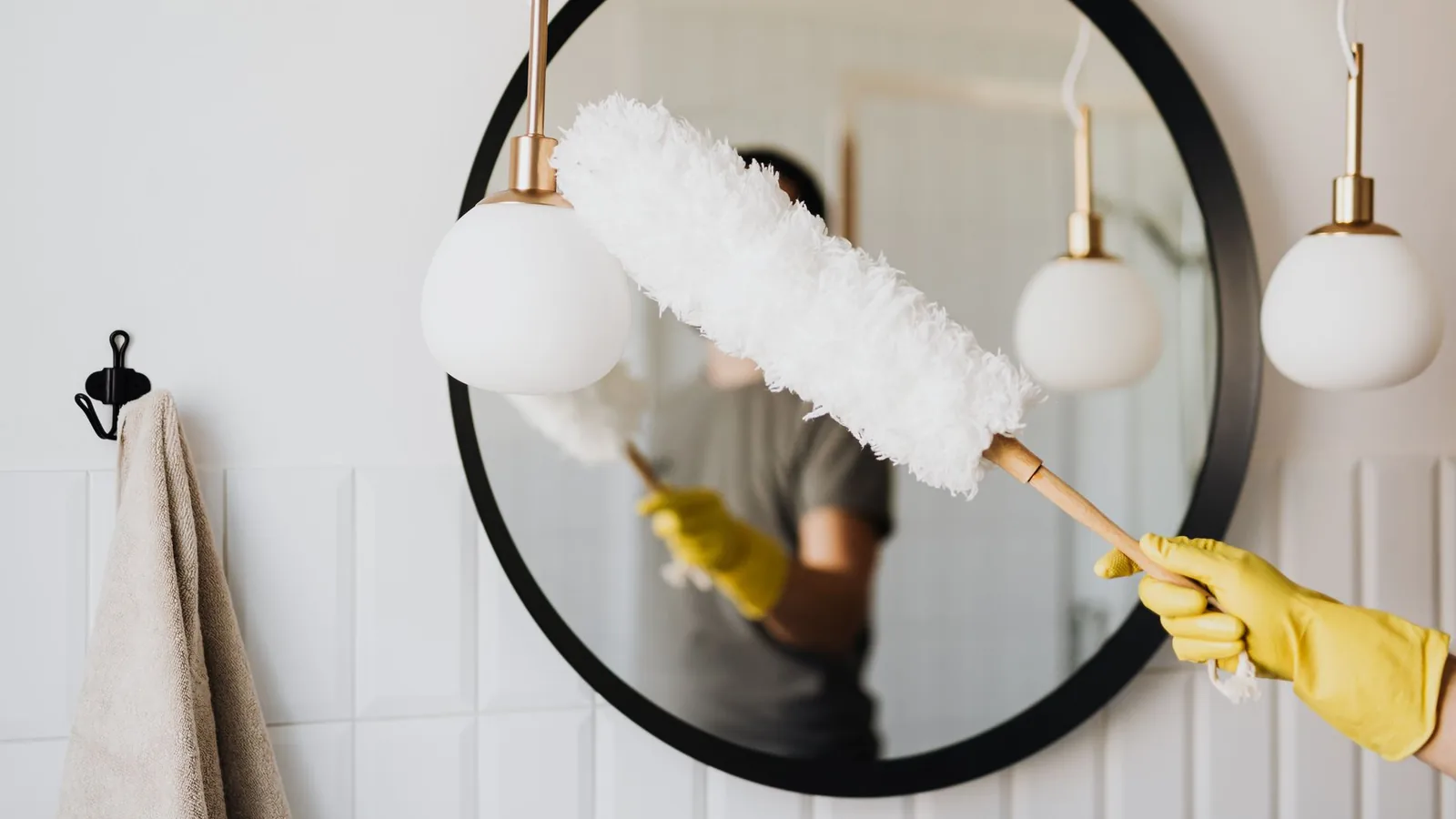
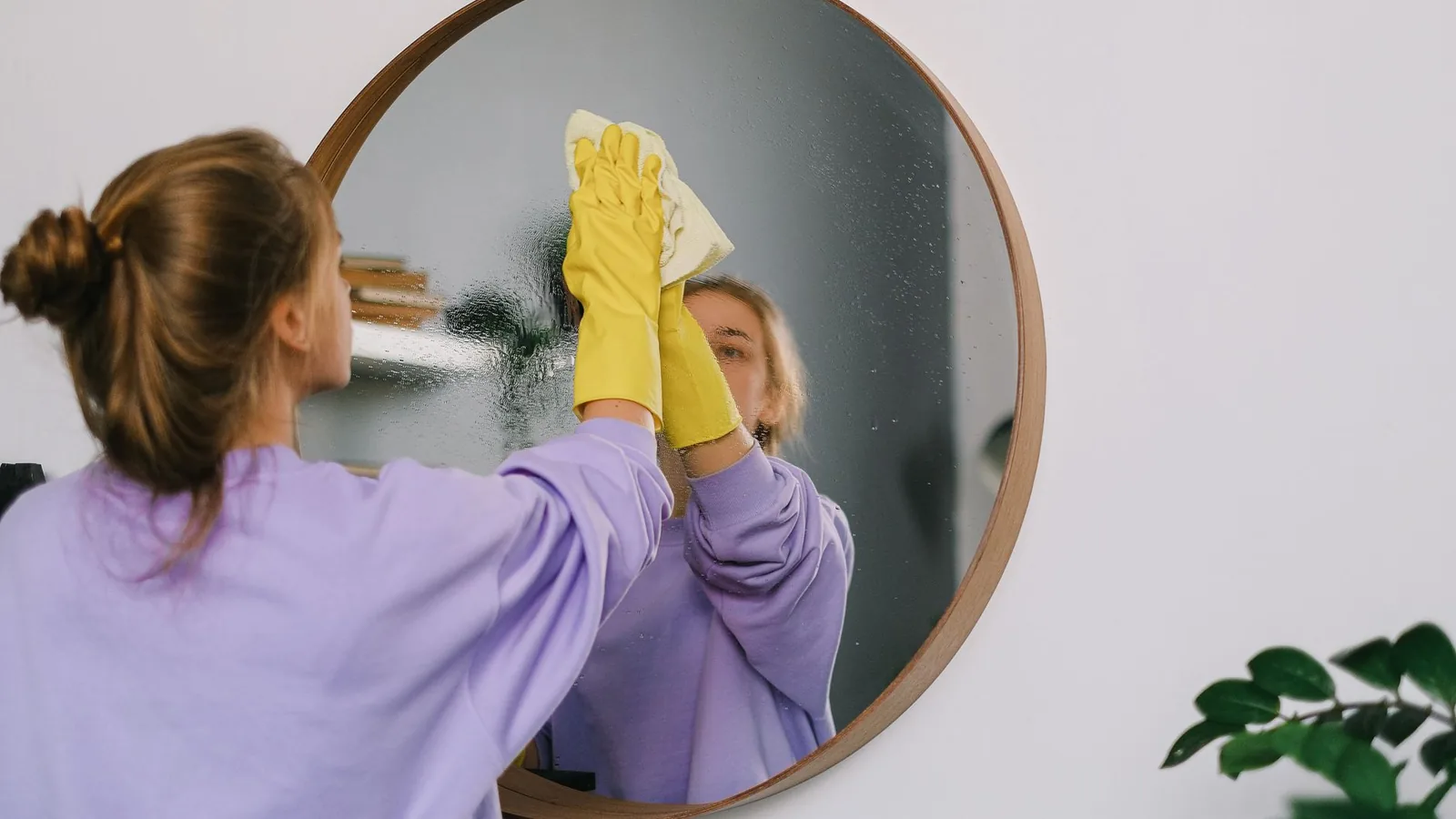
A bi-weekly service doesn't zero out your cleaning. You'll still do dishes, wipe counters, and run the vacuum when the dog does something. But it eliminates the heavy recurring block — bathrooms, floors, dusting, kitchen deep-work — which is most of the hours and essentially all of the parts you hate.
Realistically, most clients get back 10 to 15 hours a month. At a bi-weekly rate of roughly $175–$250 per visit, that's about $350–$500 monthly for those hours.
Whether that's a good trade depends entirely on what your hours are worth. That's your call, not ours. But it's a trade, not a splurge — and framing it correctly changes the decision.
The part almost nobody accounts for: dirt is abrasive
This is the argument that turns a lifestyle expense into a maintenance expense.
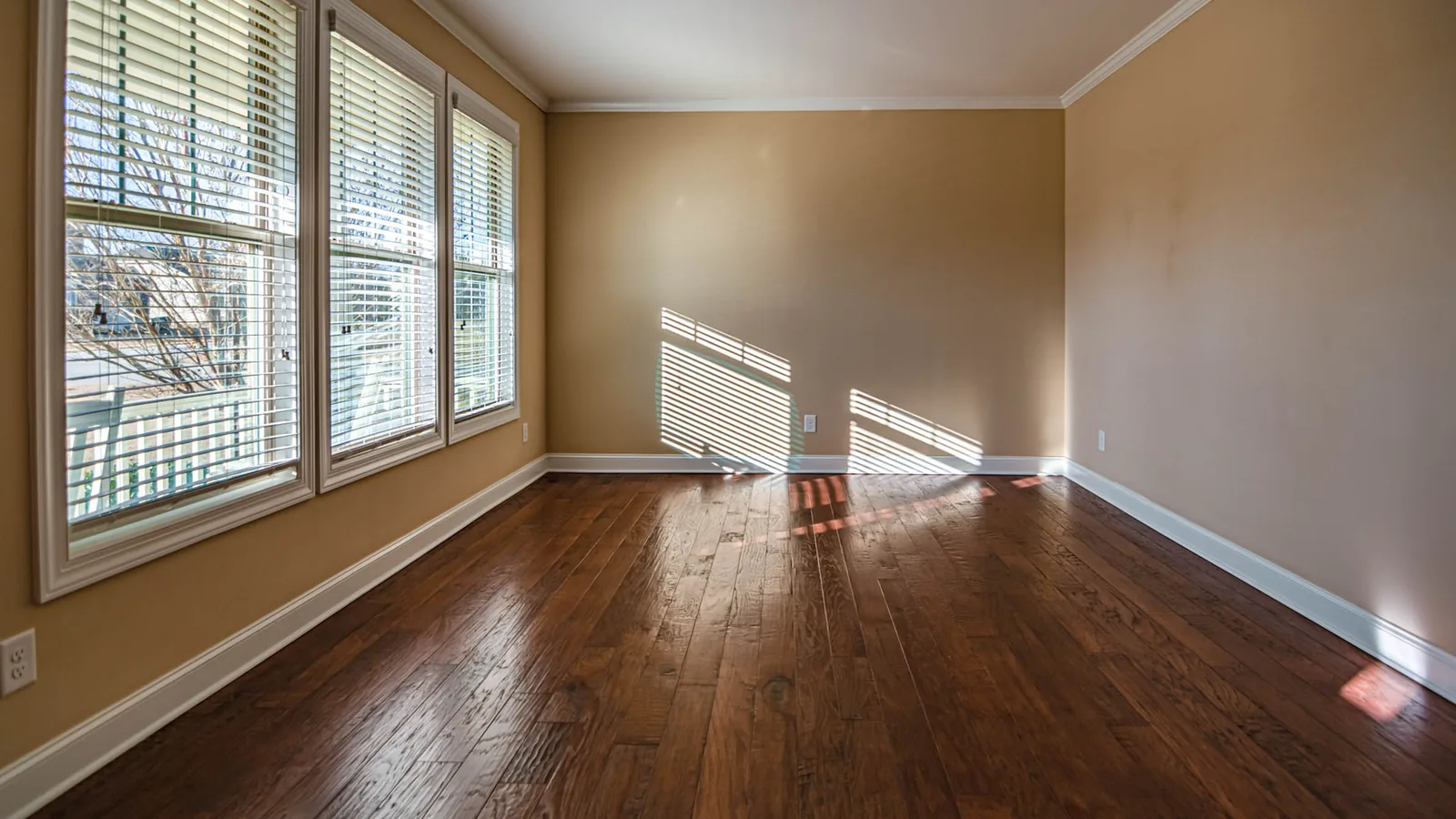
Grit destroys hardwood floors. Sand, dirt, and salt tracked in from Columbus sidewalks and driveways are physically abrasive. Every time someone walks across a gritty floor, those particles grind into the polyurethane finish. It's low-grade sandpaper, applied daily. Refinishing hardwood costs several thousand dollars for a typical main floor, and the number of times a floor can be refinished is finite.
Soap scum and hard water permanently damage grout and glass. Left to sit, mineral deposits and soap film etch into shower glass and break down grout. Once grout goes porous, water gets behind the tile — and a retile is an order of magnitude more expensive than regular cleaning.
Grease degrades kitchen finishes. Cooking grease that accumulates on cabinet faces and range hoods oxidizes into a sticky film that eventually requires refinishing rather than cleaning.
Moisture and mildew cause real damage. Bathrooms that don't get regularly cleaned and dried develop mildew in caulk and grout, which becomes a remediation problem rather than a cleaning one.
Carpet fibers break down. Embedded grit cuts carpet fibers at the base every time they're compressed underfoot. It's why traffic patterns appear — the fibers are physically damaged, not dirty.
None of this is dramatic in any given month. All of it is expensive across five years. Regular cleaning isn't just cosmetic maintenance; it's the same category as changing your oil.
The product spend you've stopped noticing
Look under your kitchen sink right now.
Most households have $80–$150 worth of half-used product down there: three glass cleaners, a bathroom foam, a wood polish bought for one project, disinfecting wipes, a mop head that needs replacing, a scrub brush past its life, and something purchased in 2022 that nobody can identify.
Households buying their own supplies typically spend $25–$45 a month on cleaning products, tools, and replacements. When you hire a professional service, that goes to zero — supplies and equipment come with the service. It's not the main argument, but it's $300–$500 a year that quietly disappears from the ledger.
The mental load
This is the one clients mention most and the one that never shows up in a cost comparison.
It isn't the cleaning. It's the noticing. The running background awareness that the bathrooms are due, the baseboards are getting bad, you should really get to the fridge this weekend. The low-grade guilt when someone drops by unannounced. The Sunday-evening feeling of having spent a day off on chores.
With a scheduled service, the house resets every two weeks regardless of what your month looked like. It stops being a thing you have to track.
Why bi-weekly specifically
Bi-weekly is the most popular frequency for a reason — it's the point where the home never crosses into "actually dirty."
- Weekly (~$150–$200/visit): Best for large families, multiple pets, or homes with heavy traffic. Lowest per-visit cost because there's least to do.
- Bi-weekly (~$175–$250/visit): The sweet spot for most households. Nothing has time to build up.
- Monthly (~$200–$300/visit): Costs more per visit because four weeks of buildup takes longer. Works for smaller homes, single occupants, or as a supplement to your own routine.
Notice the pattern: the less often you book, the more each visit costs, because dirt compounds. Bi-weekly isn't twice the cost of monthly — it's often closer to 1.5x for double the service.
The honest case against it
We'd rather you make a good decision than a fast one.
A recurring cleaning service probably isn't for you if:
- You genuinely enjoy cleaning and find it satisfying — some people do, and that's fine
- Your household is one or two people in a small apartment where the real workload is a couple of hours a month
- Your budget is tight enough that $350–$500 a month means something else gets cut
- You'd feel uncomfortable having someone in your home regularly
A reasonable middle ground: book a single deep clean once or twice a year — spring and before the holidays — and handle maintenance yourself. That gets you the reset and the damage prevention without the recurring commitment. Plenty of our Columbus clients do exactly that, and we're happy to have them.
Get the number for your house
Every home is different, so a generic range only gets you so far. Yesenia's Residential Cleaning offers free, no-pressure quotes for recurring bi-weekly cleaning across Columbus and surrounding suburbs — Dublin, Westerville, Hilliard, Gahanna, Grove City, and more.
We'll walk your home, give you a flat rate with nothing hidden, and you can decide whether the math works for you. No contracts, no pressure.
Request your free quote today and see what your weekends are worth.